Driving in Cyprus
Traffic in Cyprus drives on the left. Visit Cyprus gives the general speed limit as 80 km/h outside towns, 50 km/h in built-up areas and 100 km/h on motorways, and says seat belts are compulsory and a mobile phone must not be used while driving. Major car-hire firms have offices in all towns and at both airports.
- Best for
- Visitors planning to hire a car, especially drivers used to driving on the right.
- How much time
- Read this before you book a car; it takes a few minutes.
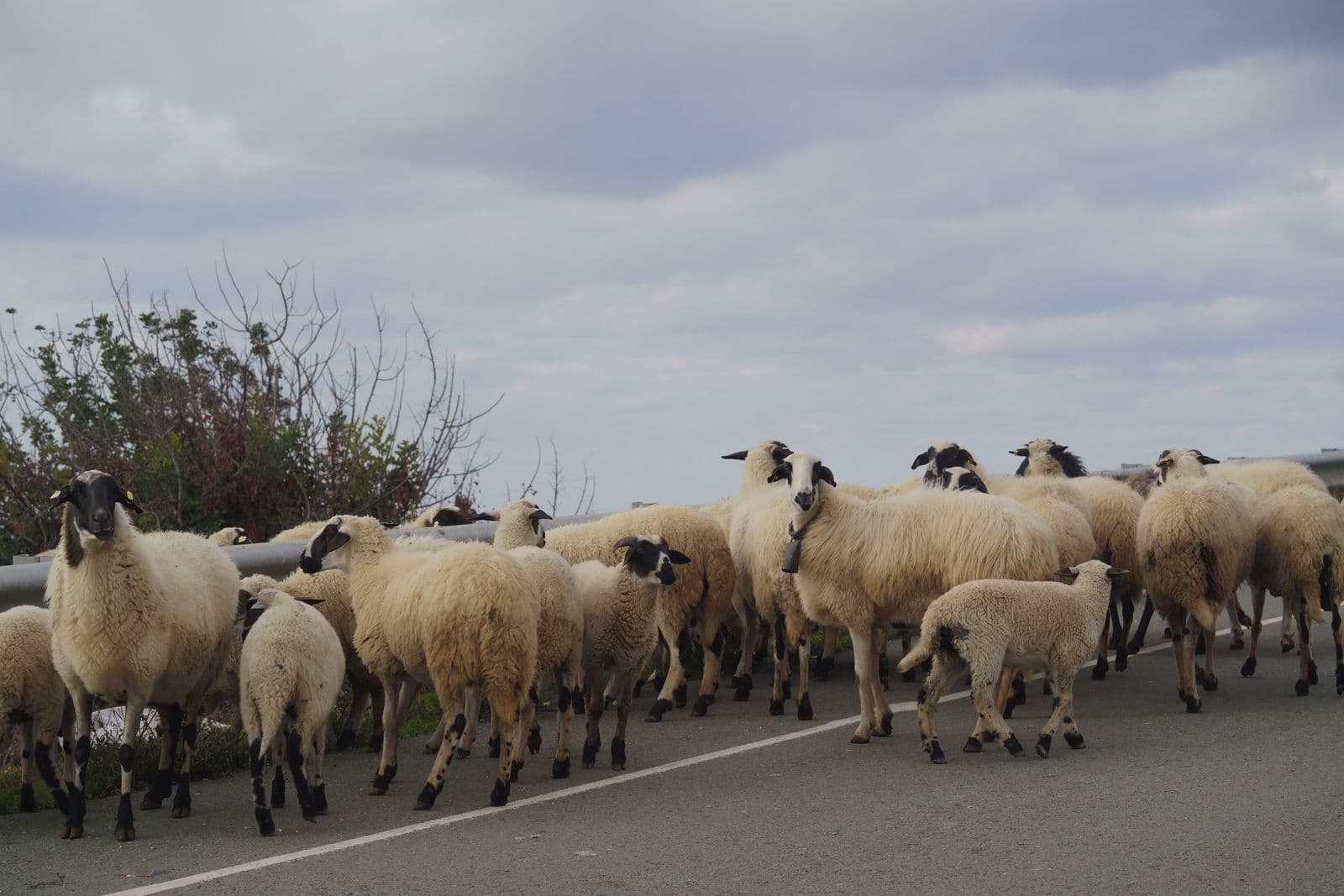
Hiring a car is the easiest way to see the villages, trails and wine country of Cyprus, and the roads between the towns are generally good. The main adjustment for many visitors is driving on the left. This guide gathers the rules published by Visit Cyprus into one place, with practical notes on car hire. It does not replace the official pages, which you should check for current rules before you travel. If you would rather not drive, see Cyprus without a car.
The rules that matter
| Topic | What Visit Cyprus says |
|---|---|
| Side of the road | Traffic moves on the left, and international road signs are used, placed on the left-hand side. |
| Units | Distances and speed limits are posted in kilometres and kilometres per hour. |
| Motorways | The maximum is 100 km/h and the lower limit is 65 km/h. |
| Other roads | The general limit is 80 km/h unless a lower one is indicated. |
| Built-up areas | The limit is generally 50 km/h unless a different one is indicated. |
| Seat belts | Compulsory, front and back. Rear-facing baby seats must not be used in a seat protected by a front airbag unless the airbag has been deactivated. |
| Alcohol | Driving above the limit is an offence. The blood limit is 50 milligrams of alcohol in 100 millilitres of blood. |
| Mobile phones | Hands-free is mandatory. Visit Cyprus says using a mobile phone while driving is strictly prohibited. |
| Sunglasses | Drivers are advised to wear them because of the brightness of the sky. |
Hiring a car
- Where: Visit Cyprus says major self-drive firms have offices in all towns and at Larnaca and Paphos airports, and that cars can be delivered and collected at the airports by prior arrangement.
- Mileage: rental is for unlimited mileage, according to the same page.
- Fuel: the car is usually delivered with a full tank paid for by the customer, with a refund if you return it full, unless the contract says otherwise.
- Insurance: it is charged extra, and Visit Cyprus says the customer is responsible for a set amount if the car is damaged, depending on the category of car.
- Young drivers: if you are under 25 and have held your licence for less than three years, tell the rental company so the right cover is arranged.
- Where the cover applies: Visit Cyprus says rental insurance is valid only within the area controlled by the Republic of Cyprus.
- Number plates: self-drive cars carry red plates, often starting with the letter Z.
Roads and conditions
Visit Cyprus describes the main roads as fairly good, and says minor roads and forest roads are still largely unsurfaced but in good to fair condition. It advises extra care on them, especially in wet weather. Mountain roads in the Troodos are slower than the distances suggest, so allow extra time. For winter conditions, see Cyprus in winter.
- Rush hours: approximately 07:30 to 08:00 and 13:00 to 15:30, then 17:00 to 18:00 in winter or 18:00 to 19:00 in summer in the towns, according to Visit Cyprus.
- Pedestrians: if you walk on a road with no pavement, walk on the right side, facing oncoming traffic.
- Emergencies: Visit Cyprus gives 112 for ambulance, fire and police.
Planning drives
Pick one base and make day trips, rather than moving every night. The Cyprus road trip lays out a full-island route leg by leg, and the 7-day itinerary shows how to combine bases. Download offline maps before you head into the hills, because mobile coverage can be patchy in the mountains.
For wider planning, see the Cyprus travel guide.
Check before you go
Hours, prices and schedules change. Confirm them at the source:
- Visit Cyprus (Deputy Ministry of Tourism)
- Visit Cyprus: transportation: driving rules, car and motorcycle hire
- Visit Cyprus: health and safety: driving safely, alcohol limit, emergency number