Divided Cyprus and Old Nicosia
Visit Cyprus, the Republic of Cyprus's official tourism portal, says the island has been divided since 1974, with a United Nations-controlled buffer zone between the government-controlled areas and the rest, and that crossing is possible at designated crossing points subject to the regulations in force at the time. Check official guidance, including your own government's, before you cross.
- Best for
- Visitors who want to understand the island's division, or who plan to visit Nicosia or consider crossing.
- How much time
- A short read before you plan; allow a day for Nicosia's old city.
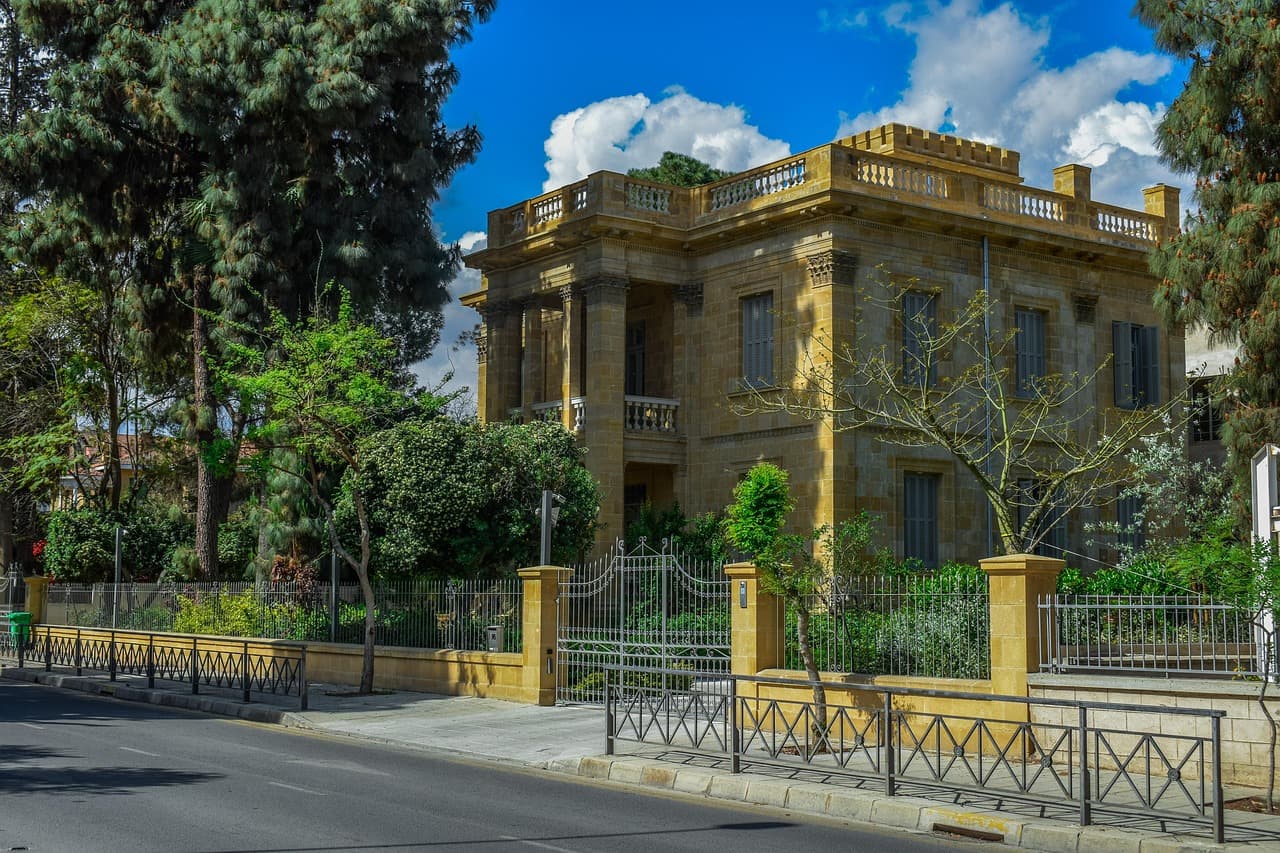
Any visit to Cyprus touches the island's division, and Nicosia, where the dividing line runs through the capital, makes it visible. This is a sensitive subject, so this page reports what Visit Cyprus, the official portal of the Republic's Deputy Ministry of Tourism, says, names it as the source, and points you to your own government's travel advice. It is a planning aid, not legal or political advice. Everything else on this site covers the areas under the Republic's control.
What Visit Cyprus says
- The division: Cyprus has been divided since 1974, which Visit Cyprus describes as the result of the Turkish military invasion and occupation.
- Where visitors go: the internationally recognised state, the main cities, the airports and the tourist infrastructure are in the government-controlled areas, where the Government of the Republic of Cyprus exercises effective control.
- The buffer zone: the areas not under that control are separated from the government-controlled areas by a United Nations-controlled buffer zone.
- Crossings: crossings are possible at designated crossing points, subject to the regulations in force at the time of travel. Visit Cyprus advises visitors who intend to cross to consult official guidance beforehand.
- Capital: it calls Nicosia (Lefkosia) the only divided capital in the world.
If you are thinking of crossing
Visit Cyprus publishes traveller advice about the areas it describes as occupied. Its points include that foreign visitors to the government-controlled area can currently cross, that staying in Greek Cypriot-owned hotels in the occupied areas could expose you to legal action by the owners, and that entering the Republic's territory through any port or airport in those areas is illegal and may bring legal consequences. It urges visitors to use the recognised ports of entry: Larnaca and Paphos international airports and the seaports of Limassol, Larnaca, Paphos and Latsi.
- Read the primary sources: the Visit Cyprus entry-requirements page and your own government's advice, for example the GOV.UK foreign travel advice for UK travellers.
- Check your rental terms: Visit Cyprus says rental-car insurance is valid only within the area controlled by the Republic. See driving in Cyprus.
- Plan to check again: rules at crossing points can change, so confirm them close to your travel date.
Old Nicosia
Visit Cyprus describes Nicosia as an ancient, walled city and a modern capital side by side. The old city is surrounded by Venetian walls and heart-shaped bastions, and it describes the capital as having the island's largest concentration of museums, art galleries and religious and historical monuments. The city's history goes back to the Bronze Age, in antiquity it was known as Ledra, and it has been the capital since the Late Byzantine period. The walls date from the 16th century.
- Walking tour: Visit Cyprus lists a guided walk of the walled city, with the programme published on the Visit Nicosia site, and the Laiki Geitonia tourist information office as the contact.
- Museums and monuments: the old city is the place for museums, old churches and medieval buildings.
- Beyond the walls: the wider region has the ruins of the city-kingdoms of Tamassos and Idalion, the Machairas monastery and villages such as Fikardou, covered in villages in Cyprus.
For the overview of the city as a base or a day trip, see the Nicosia overview.
For wider planning, see the Cyprus travel guide and Cyprus health and safety.
Check before you go
Hours, prices and schedules change. Confirm them at the source:
- Visit Cyprus (Deputy Ministry of Tourism)
- Visit Cyprus: entry requirements: traveller advice on the occupied areas and recognised ports of entry
- Visit Cyprus: about Cyprus: the division and crossings
- Visit Cyprus: Nicosia: the walled city
- Visit Cyprus: discover old Nicosia and its walls: history of the city and the guided walk
- GOV.UK: foreign travel advice for Cyprus: your own government's advice