Cyprus in Summer
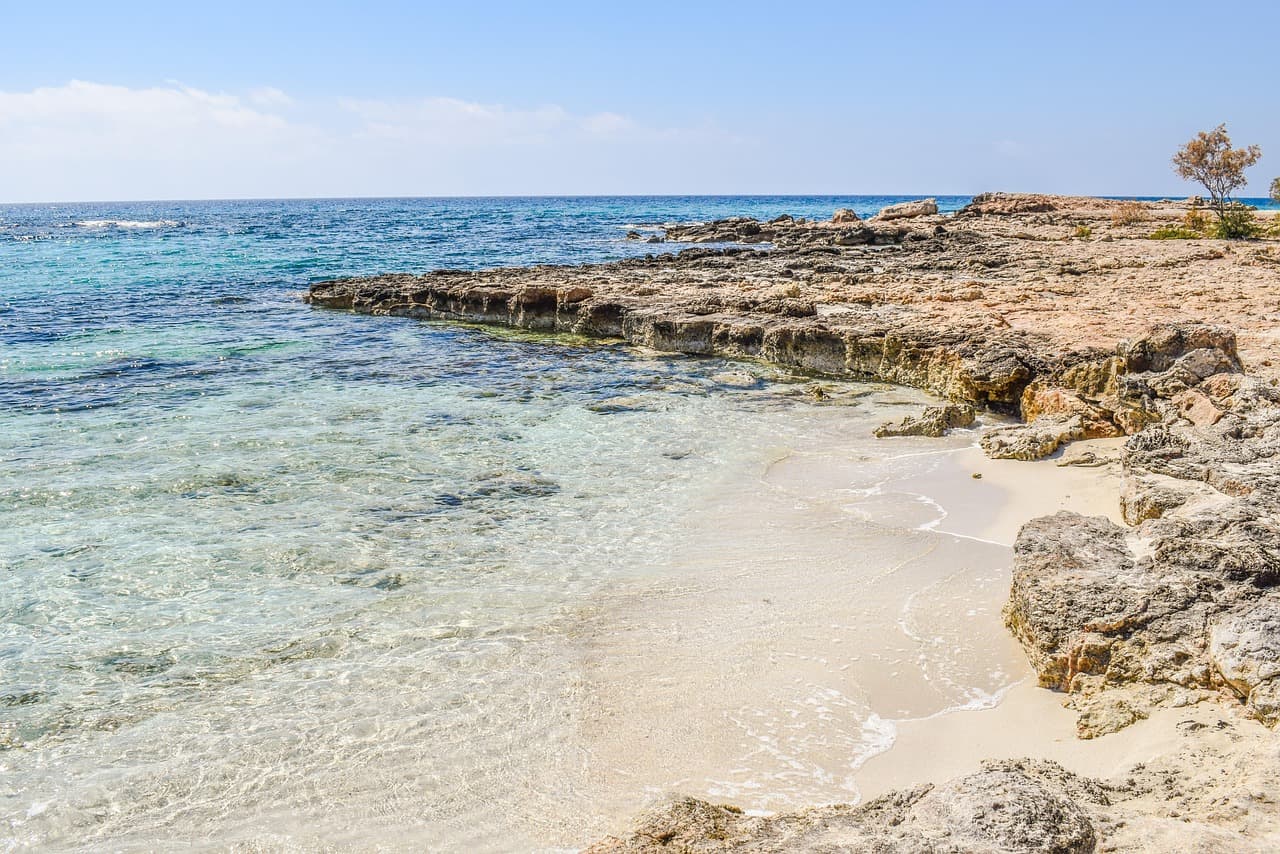
Summer in Cyprus is long, dry and hot, and it is the best season for swimming: Visit Cyprus gives open-sea temperatures above 22°C from June to November, reaching 27°C in August. Plan your days around the heat, with sightseeing early in the morning, the middle of the day by the sea or in shade, and the mountains when you want cooler air.
- Best for
- Beach holidays, swimming and families on school holidays.
- How much time
- A week by the sea works; add a night in the Troodos for relief from the heat.
In this guide
Summer is when Cyprus does what most visitors came for: dry weather, sunshine from morning to evening and warm sea. It is also the season when the heat shapes everything else, from when you visit the ancient sites to how you pack. This guide uses the official climate figures published by Visit Cyprus so you can plan around them, and compares summer with spring and winter.
What the climate is like
| Topic | What Visit Cyprus says |
|---|---|
| The season | Long dry summers run from mid-May to mid-October, with cloudless skies and a sea breeze that makes coastal areas pleasant. |
| Daily temperatures | In July and August the indicative daily temperature is 30° C on the central plain and 24° C on the Troodos Mountains. |
| Hottest days | Average maximum temperatures in those two months range between 38° C on the plain and 27° C in the Troodos. |
| Sunshine | Over the six summer months there is an average of 11.5 hours of bright sunshine a day. |
| Humidity | Very low near midday, ranging from 15% to 30% on the central plain. |
| Showers | Isolated thunder showers are possible, mainly over the mountains in the early afternoon. |
The sea
Visit Cyprus says the open sea stays above 22° C from June to November, climbing to 27° C in August. Near the coast, water three or four metres deep ranges from 23° C to 28° C in August. It describes June, July and August as the warmest months and ideal for swimming and water activities. For where to swim, see best beaches in Cyprus.
Living with the heat
- Move sightseeing to the morning: the archaeological sites in ancient sites in Cyprus have little shade, so go first thing and leave the afternoon for the sea.
- Use the Troodos as relief: the official figures put daily temperatures in the mountains several degrees below the plain. See the Troodos overview.
- Hike early or not at all: coastal and gorge trails are exposed. See best hikes in Cyprus for the trails with forest cover.
- Carry water and sun protection: hat, sunscreen and sunglasses, every day.
- Respect the afternoon pause: Visit Cyprus notes an optional three-hour afternoon break from 14:00 to 17:00 between 15 June and 31 August, so some small businesses may close then.
Summer holidays and opening hours
Visit Cyprus lists 15 August, the Assumption of the Virgin Mary, as a public holiday, when public services, private businesses, banks and shops are closed, although many shops and services stay open in resorts and coastal areas. Kataklysmos, the Festival of the Flood, falls on the Monday of Pentecost, in June in 2026 and 2027. Office hours shift in summer, with the afternoon session running later between 1 June and 14 September, so allow for that if you need to visit a bank or office.
Where to base yourself
- West coast: Paphos for sites, beaches and the Akamas. See the Paphos overview.
- South coast: Limassol for a city with a long seafront. See the Limassol overview.
- East coast: Ayia Napa and Protaras for the sandy beaches. See Ayia Napa and Protaras.
- Hills: one or two nights in the Troodos for cooler evenings.
For the full planning picture, see the Cyprus travel guide and where to stay in Cyprus.
Check before you go
Hours, prices and schedules change. Confirm them at the source:
- Cyprus Department of Meteorology
- Visit Cyprus (Deputy Ministry of Tourism)
- Visit Cyprus: climate and weather: summer temperatures, sea temperatures, sunshine, humidity
- Visit Cyprus: time, working hours and holidays: summer office hours, afternoon break, public holidays